Well, since I have a gazillion things to do before leaving, I was going to forget about blogging until next year 😎 , but this morning a just-published Italian study caught my eye, and I just had to write about it: goo.gl/77intB
In a nutshell, the study proves that inflammation and the evolution of myeloma are closely connected. This is not entirely a surprise. I mean, this isn’t the first time we’ve seen the word “myeloma” mentioned in the same sentence as “inflammation.”
But I found this study amazingly interesting and worth much more than a cursory look. So I’ll do my best to report on it, considering I’m a bit distracted (by the above-mentioned gazillion things 😉 ) at the moment…Please forgive me for any repetitions, etc.
This group of Italian researchers came up with and analyzed a short list of twenty genes, eventually identifying eight genes that showed there were clear differences between MGUS, SMM, and MM. These genes were also associated with MM patients’ survival: IFNG, IL2, CCL2, LTA, and CCL3, VEGF.
The “bad” ones are the last two, CCL3 and VEGFA, which are linked with inflammation in the bone marrow microenvironment (BMM) and with a host of negative occurrences (MM cell survival, etc.). Bottom line: patients with a high expression of these two genes have a worse prognosis.
And here is a very interesting bit of info: compared to MGUS, in MM these two genes were consistently upregulated. That means that they are not (consistenly upregulated) in MGUS…
The “good” genes, that is those linked to a MM patient’s longer survival, are IFNG, IL-2, CCL2, and LTA.
The patients who lived the longest had high levels of Th1 cytokines (the above-listed IFNG, CCL2, IL-2) and low levels of CCL3 and VEGFA. Oh boy, now I am getting into deep water. I just spent about an hour trying to write a simple explanation of how all this stuff works and so on, what all the acronyms mean (LTA stands for lymphotoxin-alpha, e.g.), but it got to be too complicated and involved, so I threw it into the trash. I’m no scientist, after all…
Let’s forget about trying to understand every single detail of the study. After all, what really matters is for us to GET the main concept.
Basically, the process has to do with proinflammatory responses, which are okay under normal circumstances (e.g. in the case of a viral attack), but not under others. Indeed, too much of a proinflammatory response can be damaging. In the words of the researchers, “inflammation has a critical role in MM patient progression and survival.”
IMPORTANT: the MM patients who survived longer also had high albumin, low B2-microglobulin and low CRP (C-reactive protein) levels. To a significant degree. Food for thought!
And this paragraph provides more food for thought: “Although lacking the clinical features of symptomatic disease, both MGUS and sMM patients carry the same initial mutations and most of the chromosomal abnormalities of overt MM, suggesting that these events are necessary but not sufficient for disease progression. The evolution from MGUS to sMM and finally to MM relies on further complex conditions that include genomic instability, epigenetic and microenvironmental signals.” Well, well. Necessary but NOT SUFFICIENT.
And, further on, “MM cells grow and proliferate almost exclusively within the BM, where they produce an inflammatory/immunosuppressive milieu, which promotes disease progression, drug resistance, neo-angiogenesis, bone destruction and immune escape.”
The researchers “hypothesize that PCs progressively shift the BMM toward a pro-inflammatory and immunosuppressive shape, which drives disease evolution.” ( PCs are plasma cells, btw.)
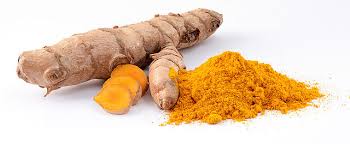
Since not many conventional studies mention curcumin, but this one DOES, I thought I’d quote the entire passage: “Inflammation is an hallmark of cancer development. Indeed, different studies have already demonstrated a strong correlation between chronic inflammation and increased risk of cancer. Moreover, the chemopreventive role of aspirin and other NSAIDs has been clearly demonstrated. Along this line, recent clinical trials revealed a promising therapeutic activity of anti-inflammatory compounds such as aspirin and curcumin in both MGUS and sMM patients. Furthermore, inflammation could also reduce the activity of current anti-cancer treatment (both cytotoxic and immunotherapies), by impairing effective immune-response against tumor cells.”
The study highlights the best BMM conditions under which bortezomib, pomalidomide and other conventional drugs might be more effective. It also addresses the issue of its limitations—only certain genes were analyzed, etc. Those undergoing conventional treatments might want to check out and ask their specialists about that part…
Here’s the main thing I got from this study: REDUCE INFLAMMATION!!! And, of course, take curcumin…and perhaps aspirin, too.
Now I really must get going. Final thought: I hope everyone has a lovely and restful holiday. Take care!!! 🙂
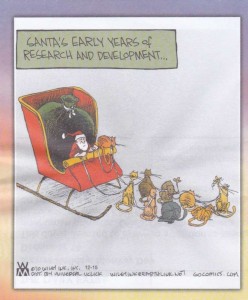 Dear me, my poor, abandoned blog! Life just keeps getting in the way (of my doing research and/or writing for the blog, I mean)…piles of things to do, piles of work (translations, students…), piles of house-related projects…closely following the U.S. presidential elections (YIKESSSSSSSSSSSSSS!!! Sorry, couldn’t help my horrified/terrified self…), and, well, having fun, too. 🙂
 Just a cute post today…

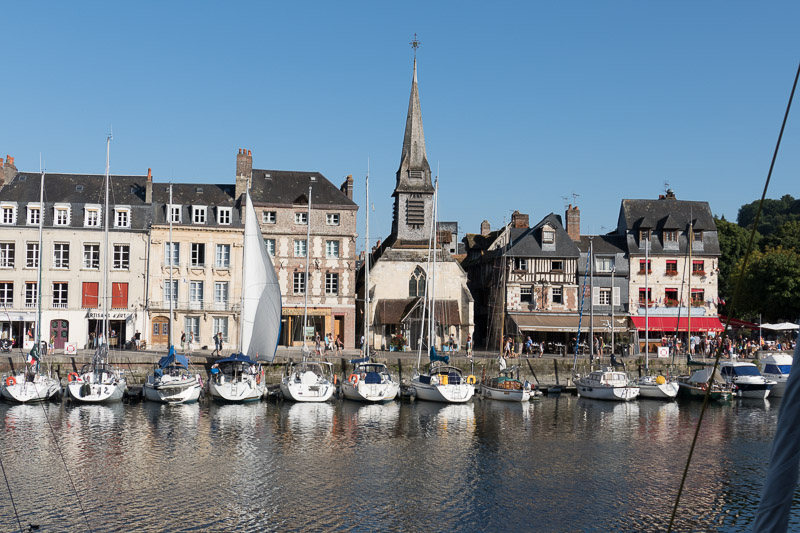
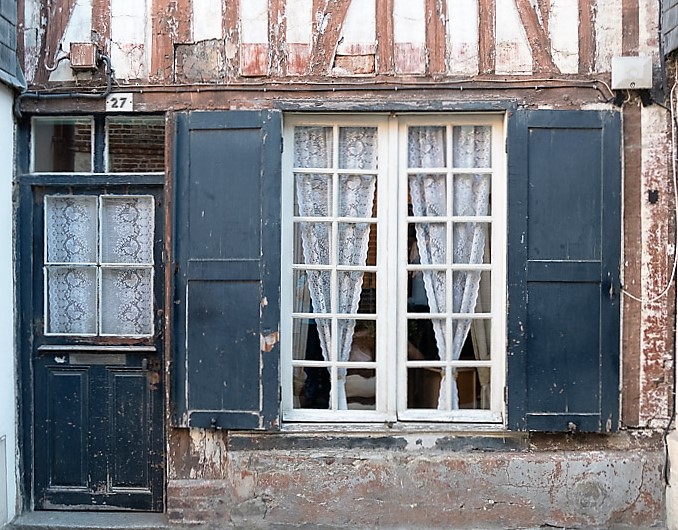
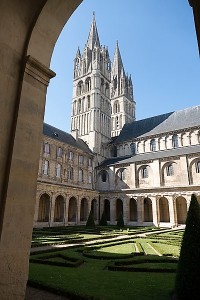 measuring 70 meters long and illustrating the events that led to the Norman conquest of England in 1066. It has survived, incredibly, more than nine centuries. How about that??? Highly recommended. By the way, definitely get the audio guide!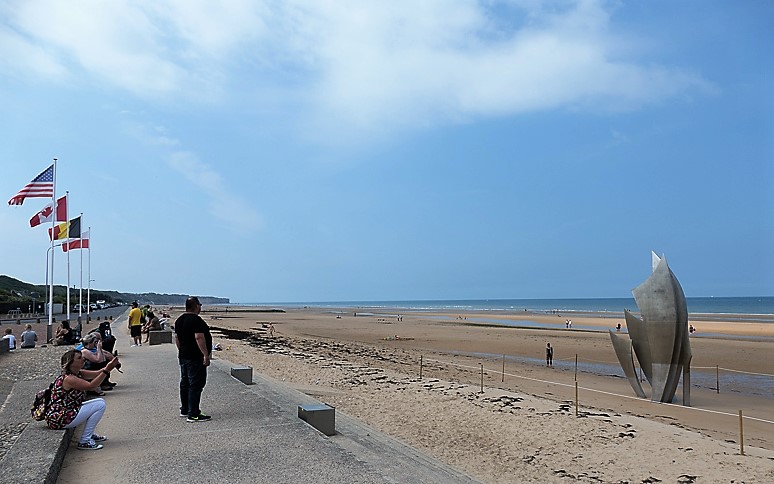
 In fact, that reminds me of a nice little story: after we had finished our crepes in this small, ancient farmhouse, our waitress asked us if we wanted anything else, but we were too stuffed so we declined. I proceeded to tell her, though, in my rusty French, that those were the best crepes we’d had in France. She looked amazingly pleased and thanked me over and over again…and then I overheard her telling the cooks in the kitchen. But it didn’t end there.
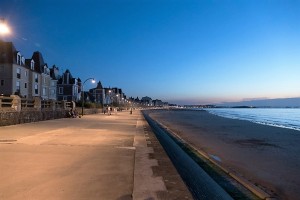 had a nice rest there (with day trips to Dinard and Dinan, both very cute and worth a visit, especially Dinan.
 We found out that the final tour of the day was about to leave. Now, I had no idea what this tour was all about. I thought we would merely step outside the walls and take some photos, and that our guide would help us avoid stepping in the quicksand that can easily form thanks to the shifting sands surrounding the town. So we were not prepared for what was to come…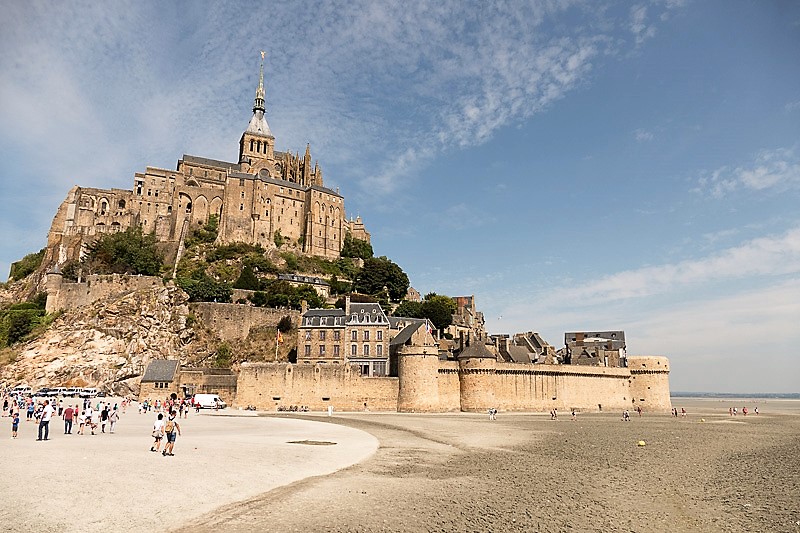
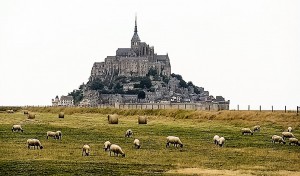 mainly…almost lost my footing a couple of times…that would have totaled my camera, for sure!). We were able to take photos of Mont-Saint-Michel from a completely different perspective compared to the regular tourist who might spend just a few hours inside the town. Not to speak of the spectacular views we had (see the first photo of Saint-Michel, above).